
Sugar Glider for sale in Dover, New Jersey | $280


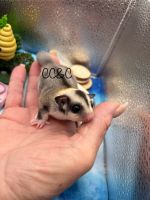
Twin Baby boy sugar gliders
Listing Type
Pet for Sale
Listing ID
:481036
Price / Fee
:$280
Location
:Dover, Morris County, New Jersey
Published
:30+ days ago
Breeder

Listing Description
Two baby sugar gliders looking for a permanent home.
These are extremely sociable, friendly gliders looking for a permanent home!
They must go together as they are bonded to each other (being twins and all).
Feel free to ask any questions
Pet Listing Essentials
Price / Fees
:$280
Frequently Asked Questions
What are sugar gliders?
Sugar gliders are small, nocturnal marsupials from Australia and New Guinea known for their friendly and sociable nature. They are popular pets due to their playful demeanor and affectionate behavior.
Why should I consider adopting twin baby sugar gliders?
Adopting twin baby sugar gliders ensures that you are bringing home a pair that is already bonded and comfortable with each other. They thrive on social interaction, and having a companion helps them stay happy and healthy.
What is the price of the twin baby sugar gliders?
The price for the twin baby sugar gliders is $280. This price reflects their sociable nature and the bond they share as twins, making them a unique addition to your home.
Where are the sugar gliders located?
The twin baby sugar gliders are located in Dover, Morris County, New Jersey, United States. If you are in the vicinity, you can easily arrange a visit to meet them!
Are there any special care requirements for sugar gliders?
Yes, sugar gliders require a diet rich in fruits, vegetables, and special pellets. They also need a safe and spacious environment to play in, and regular social interaction with their owners to stay mentally stimulated.
Can I adopt just one sugar glider?
It is strongly recommended to adopt both sugar gliders together since they are siblings and bonded. This helps ensure their emotional well-being and reduces stress.
Is there anything else I should know before adopting?
Before adopting sugar gliders, be sure to research their needs and consider whether you can commit to their long-term care. They can live up to 15 years with proper care, making them a long-term companion.








Kittens for Sale, Shorthaired Persians/Exotic Shorthairs


