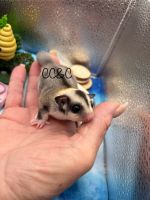
Sugar Glider for sale in Billings, Montana | Petzlover


sugar gliders for sale
Listing Type
Pet for Sale
Listing ID
:154117
Location
:Billings, Yellowstone County, Montana
Published
:30+ days ago
Breeder

Listing Description
Super-sweet Cremeino female oop 67 16 looking for her forever loving home parents are in TG database lineage is available more information please text ***
Frequently Asked Questions about Sugar Gliders for Sale
1. What are sugar gliders?
Sugar gliders are small, nocturnal marsupials native to Australia and New Guinea. They are known for their ability to glide through the air using their skin membrane, and they make affectionate and playful pets.
2. What should I know before buying a sugar glider?
Before purchasing a sugar glider, consider their dietary needs, social behavior, and habitat requirements. They thrive in pairs or small groups and require a spacious, safe environment to live in.
3. What is a Cremeino sugar glider?
A Cremeino sugar glider is a beautiful color variation with a creamy, light appearance. This particular color morph is known for its distinctive look and charming personality.
4. How can I find more information about sugar gliders available for sale?
For detailed information on sugar gliders for sale, you can refer to reputable breeders, online listings, and pet forums. Always ensure that you are purchasing from a responsible source with documentation of lineage, such as the TG database.
5. How do I prepare for a new sugar glider?
To prepare for your new sugar glider, you will need a large cage, safe toys, a proper diet, and a suitable environment. Research their needs thoroughly to ensure they have a loving and comfortable home.
6. Are sugar gliders good pets for families?
Sugar gliders can be great pets for families, especially those who are willing to devote time to bonding and socializing with them. Their playful nature makes them enjoyable companions for both adults and children.
7. What is the lifespan of a sugar glider?
With proper care, sugar gliders can live 10 to 15 years in captivity. Providing a balanced diet, mental stimulation, and regular vet check-ups can significantly contribute to their longevity and well-being.