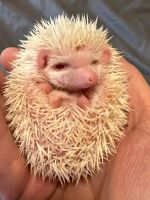
Sugar Glider for sale in Corona, California | Petzlover

Looking for a joey
Listing Type
Pet for Sale
Listing ID
:620110
Location
:Corona, Riverside County, California
Published
:30+ days ago
Breeder

Listing Description
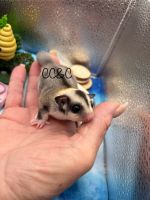
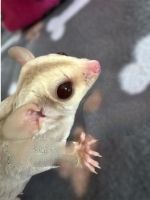
Lost cage mate, desperately looking for new mate. My boy is 5 months oop neutered.
FAQ About Sugar Gliders
What is a Sugar Glider?
A Sugar Glider is a small, nocturnal marsupial native to Australia and New Guinea. They are known for their ability to glide through the air, and they make affectionate and social pets. They require proper care and attention to thrive.
Why do Sugar Gliders need a cage mate?
Sugar Gliders are highly social animals that thrive in pairs or groups. Having a cage mate helps reduce loneliness, promotes natural behaviors, and encourages playfulness. If you're looking for a joey to join your 5-month-old, it’s essential to find a compatible companion.
Where can I find a new cage mate for my Sugar Glider?
When searching for a new cage mate, consider local animal shelters, rescue organizations, or online listings like Petzlover. Always ensure to adopt from reputable sources to guarantee the health and well-being of your new pet.
What should I consider when adopting a second Sugar Glider?
Before adopting a second Sugar Glider, consider factors such as age, temperament, and health. It’s important to introduce them properly to ensure they get along well and form a bond.
What is the ideal habitat for a Sugar Glider?
The ideal habitat for a Sugar Glider includes a spacious cage with plenty of vertical space, toys, and places to hide. A proper diet, regular interaction, and a safe environment are crucial for their well-being.
How can I ensure my Sugar Gliders are happy together?
To ensure your Sugar Gliders are happy together, provide them with lots of enrichment, social interaction, and a balanced diet. Monitor their interactions closely to address any behavioral issues that may arise.
What do I need to know about the care of Sugar Gliders?
Caring for Sugar Gliders involves understanding their dietary needs, providing suitable living conditions, and ensuring they receive regular veterinary care. They need a specialized diet rich in fruits, vegetables, and protein.