
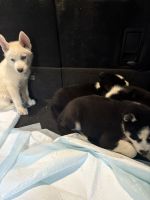
Siberian Husky Puppy for sale in Cheswold, Delaware


Blue Eye Siberian Husky
Listing Type
Pet for Sale
Listing ID
:82549
Location
:Cheswold, Kent County, Delaware
Published
:30+ days ago
Breeder

Listing Description
The Siberian Husky has an affectionate, gentle, and friendly disposition. They are alert and eager to please. They are highly intelligent and have an independent spirit, which can sometimes be a challenge to their owner. This versatile breed gets along very well with children and other medium sized dogs. However, their strong predatory instinct makes them dangerous to cats and other small pets.
Frequently Asked Questions (FAQ) about Blue Eye Siberian Husky
1. What is the temperament of a Siberian Husky?
The Siberian Husky has an affectionate, gentle, and friendly disposition. They are alert and eager to please, making them wonderful companions.
2. Are Siberian Huskies good with children?
Yes, Siberian Huskies are known for getting along very well with children. Their gentle nature makes them a suitable choice for families.
3. Do Siberian Huskies get along with other pets?
While Siberian Huskies typically do well with other medium-sized dogs, their strong predatory instinct can pose a danger to cats and smaller pets.
4. Are Siberian Huskies easy to train?
Siberian Huskies are highly intelligent, but their independent spirit can sometimes make training a challenge. Consistent and positive reinforcement methods work best.
5. What is the typical size of a Siberian Husky?
Siberian Huskies are medium-sized dogs, typically weighing between 35 to 60 pounds and standing about 20 to 24 inches tall at the shoulder.
6. Where can I find Blue Eye Siberian Husky puppies for sale?
You can find Blue Eye Siberian Husky puppies available for adoption or sale through reputable breeders and pet listings in areas such as Cheswold, Kent County, Delaware, United States.
7. What should I know before adopting a Siberian Husky?
Before adopting a Siberian Husky, it's important to understand their exercise needs, grooming requirements, and socialization needs. They thrive in active households where they can engage in regular activities.






🐾 ACA Miniature Pinscher Puppies Available


