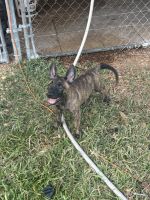
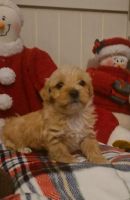
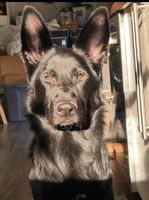
Dutch Shepherd Puppy for sale in Dardanelle, Arkansas


Working dogs
Listing Type
Pet for Sale
Listing ID
:358864
Location
:Dardanelle, Yell County, Arkansas
Published
:30+ days ago
Breeder

Listing Description
pure breed high drive dutch Shephard puppies. mother works personnel protection, Father works k9 PD. this Breed is for experienced big dog handlers.
Frequently Asked Questions about Working Dutch Shepherd Puppies
1. What are the characteristics of a Working Dutch Shepherd?
The Working Dutch Shepherd is known for its high intelligence, strong drive, and excellent trainability. This breed is particularly suited for tasks such as personal protection and police work.
2. Do I need experience with large dogs to own a Dutch Shepherd?
Yes, Dutch Shepherds are best suited for experienced handlers due to their high energy levels and strong working instincts.
3. What kind of training do Working Dutch Shepherd puppies require?
Working Dutch Shepherd puppies need consistent, firm, and positive training from an early age. Socialization and obedience training are essential to help them develop into well-rounded adults.
4. Are Working Dutch Shepherd puppies suitable for families?
While Dutch Shepherds can be great family dogs, they thrive in active households where they receive plenty of mental and physical stimulation.
5. Where are these puppies located?
These Working Dutch Shepherd puppies are located in Dardanelle, Yell County, Arkansas, United States.
6. What can I expect in terms of health and lifespan for a Dutch Shepherd?
Generally, Working Dutch Shepherds are healthy dogs with a lifespan of around 10-14 years when provided with proper care and regular veterinary check-ups.
7. What should I feed my Working Dutch Shepherd puppy?
A high-quality diet suitable for large breeds is recommended for Working Dutch Shepherd puppies to support their rapid growth and active lifestyle.
8. What physical activities do Dutch Shepherds enjoy?
Dutch Shepherds love activities such as fetch, agility training, obedience training, and long walks. They thrive in environments that allow for regular exercise.