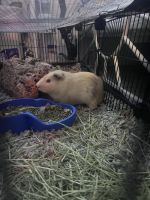
Chinchilla for sale in Spanish Fork, Utah | $150 | Petzlover
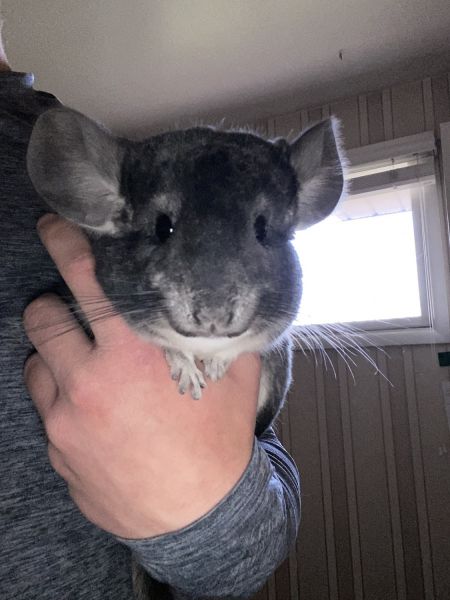


Male chinchilla “flash”
Listing Type
Pet for Sale
Listing ID
:422503
Price / Fee
:$150
Location
:Spanish Fork, Utah County, Utah
Published
:30+ days ago
Breeder

Listing Description
I am selling my male chinchilla “flash”
With him at the price of $150 is a crate, a water bottle, a feed dish, a wheel, a den, dust bath material, and a bag of food.
Unfortunately I don’t have the time or money that I had before to take care of him.
Pet Listing Essentials
Price / Fees
:$150
FAQs for Male Chinchilla "Flash" Listing
What is included in the sale of Male Chinchilla "Flash"?
With the purchase of your male chinchilla "Flash," you will receive a crate, a water bottle, a feed dish, a wheel, a den, dust bath material, and a bag of food. This complete package is designed to help you properly care for your new pet.
What is the price of Male Chinchilla "Flash"?
The price for Flash is $150. This price reflects the quality and care that has gone into raising him, as well as the included supplies.
Where is the chinchilla located?
The chinchilla is located in Spanish Fork, Utah County, Utah, United States. Local pickup is preferred for the welfare of the pet.
What is the breed of the pet being sold?
The pet being sold is a chinchilla, which is a type of rodent known for its soft fur and friendly demeanor.
Why are you selling your chinchilla?
Unfortunately, due to changes in both time and financial commitments, I am unable to provide the adequate care that Flash deserves. It is important for me to find him a loving home where he can thrive.
Can I care for a chinchilla if I am a first-time pet owner?
Yes, while chinchillas do require specific care, they can make wonderful pets for first-time owners who are willing to learn about their needs. It is essential to research proper care and habitat requirements to ensure a happy and healthy chinchilla.
Is there any special maintenance required for a chinchilla?
Yes, chinchillas require a dust bath to keep their fur clean, along with a carefully monitored diet and a safe, spacious habitat. Regular social interaction is also important for their well-being.