
Capuchins Monkey for sale in Jackson Township, Indiana


Usda Capuchin Monkey(***) ***-***7contact Me At
Listing Type
Pet for Sale
Listing ID
:107295
Location
:Advance, Jackson Township, Boone County, Indiana
Published
:30+ days ago
Breeder

Listing Description
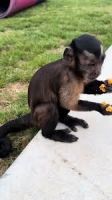
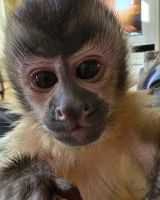
We are USDA licensed. The monkey is eating from the bottle, wears diapers and clothes. She is super sweet and lovable. Serious inquiries only, no brokers ...(***) ***-***7Contact me at
FAQ about USDA Capuchin Monkeys
1. What is a USDA licensed Capuchin Monkey?
A USDA licensed Capuchin Monkey is one that is legally recognized and regulated by the United States Department of Agriculture. This ensures that the pet is raised in humane conditions and complies with all necessary animal welfare standards.
2. Do Capuchin Monkeys require special care?
Yes, Capuchin Monkeys require a specialized diet, social interaction, and mental stimulation. They thrive in environments where they receive plenty of attention and playtime.
3. Are Capuchin Monkeys good pets?
Capuchin Monkeys can be wonderful companions for experienced pet owners. They are known for their intelligence, sociability, and playful nature, but they do require a considerable amount of time and care.
4. What do Capuchin Monkeys eat?
Capuchin Monkeys typically eat a balanced diet that consists of fruits, vegetables, nuts, and specially formulated primate food. Proper nutrition is crucial for their health and well-being.
5. Can Capuchin Monkeys be trained?
Yes, Capuchin Monkeys are highly trainable and can learn various commands and tricks. Positive reinforcement techniques work best for training these intelligent animals.
6. Do Capuchin Monkeys wear diapers?
Yes, it is recommended to use diapers for Capuchin Monkeys, especially when they are indoors. This makes it easier to manage their hygiene and cleanliness.
7. Where can I find USDA licensed Capuchin Monkeys for sale?
You can find USDA licensed Capuchin Monkeys through reputable breeders or listings that emphasize ethical breeding practices. Always ensure they comply with USDA regulations.





Google Approved Diaper Trained Capuchin & Marmoset Monkey.


