Capuchins Monkey for sale in Miami, Florida | Petzlover


Cupuchin Monkey for Adoption
Listing Type
Pet for Sale
Listing ID
:130483
Location
:Miami, Miami-Dade County, Florida
Published
:30+ days ago
Breeder

Listing Description
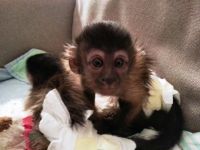
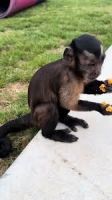
I got my two Capuchin monkeys available for a new home. They are both 4 months old and have been micro-chipped. They both got their USDA license and ready to go to a new *** (***) ***-***0
Frequently Asked Questions about Capuchin Monkey Adoption
1. What is the average lifespan of a Capuchin monkey?
The average lifespan of a Capuchin monkey ranges from 25 to 30 years in captivity, making them a long-term commitment for adopters.
2. Are Capuchin monkeys good pets for families?
While Capuchin monkeys can be affectionate and entertaining, they require a lot of attention and care. Families should consider their lifestyle and ability to provide the necessary environment.
3. Do Capuchin monkeys need a lot of space?
Yes, Capuchin monkeys need ample space to play and explore. A large enclosure or a safe outdoor area is important for their well-being.
4. Are Capuchin monkeys social animals?
Absolutely! Capuchin monkeys are very social and thrive on interaction with humans and other animals. It’s important to spend significant time with them to prevent loneliness.
5. What should I feed my Capuchin monkey?
A balanced diet for a Capuchin monkey includes fruits, vegetables, nuts, and specialized primate pellets. It's essential to consult with a veterinarian for proper dietary guidelines.
6. Are Capuchin monkeys legal to own in my state?
Ownership laws for Capuchin monkeys vary by state and local regulations. It’s crucial to check your area's laws before considering adoption.
7. What is involved in caring for a Capuchin monkey?
Caring for a Capuchin monkey involves providing a suitable habitat, regular veterinarian check-ups, a balanced diet, and plenty of mental and physical stimulation.
8. How do I know if I'm ready to adopt a Capuchin monkey?
Being ready to adopt a Capuchin monkey means understanding their needs, having the time to dedicate to their care, being financially prepared, and being aware of the long-term commitment.


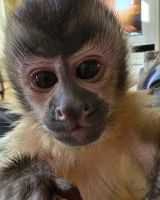

Cute Capuchin monkey looking for a forever home for the future