
Capuchins Monkey for sale in Pipe Creek Township, Indiana

Looking to adopt female Capuchin baby monkey
Listing Type
Pet for Sale
Listing ID
:564077
Location
:Frankton, Pipe Creek Township, Madison County, Indiana
Published
:30+ days ago
Breeder

Listing Description
I am lookin for a female Capuchin Monkey to adopt and give a loving home. Only serious sellers only! no scams please will want to see baby in person or atleast face time before sending any type of payment been scammed don't want it to happen again. Hoping to find my baby soon
Frequently Asked Questions
1. What is a Capuchin Monkey?
A Capuchin monkey is a small, intelligent primate known for its playful nature and sociability. They are often recognized for their white face and brown body, making them a popular choice for pet lovers.
2. Why do you want to adopt a female Capuchin baby monkey?
I am looking to provide a loving and nurturing environment for a female Capuchin baby monkey. I believe that having a female will suit my lifestyle and help create a great bond with me.
3. What do you mean by "only serious sellers"?
I want to ensure that I am dealing with legitimate sellers only and that the process is safe for both me and the monkey. Scams have occurred in the past, so I appreciate sellers who can confirm their authentic intentions.
4. Why is it important to see the baby in person or via FaceTime?
Seeing the Capuchin baby monkey in person or via video call helps establish trust between myself and the seller, ensuring the animal's well-being and confirming that it’s exactly what I'm looking for before any payments are exchanged.
5. Where are you located and where can I find a Capuchin monkey?
I am located in Frankton, Pipe Creek Township, Madison County, Indiana, United States. Potential adopters should search for breeders or rescues in their area that are reputable and have good reviews.
6. What should I prepare for before adopting a Capuchin monkey?
Preparing for a new Capuchin monkey is essential. This includes researching their dietary needs, socialization habits, necessary veterinary care, and creating a safe environment that meets their physical and emotional needs.


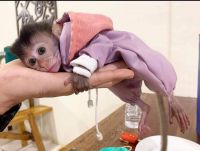



Adorable Baby Capuchin Monkey – Ready for a Loving Home!


